Best Bass Fishing in Arizona . Does It Get Any Better?
This is the second article of my “Fishing In
Arizona as a bass fishing destination is something else that comes to mind.
The warm desert climate lends itself well to bass in areas all across the state. The long growing seasons means growing bigger bass quicker. Better yet, tolerable weather year round means you can get out catching bass nearly any month of the year if you are truly dedicated.
While Largemouth Bass are the main draw as far as bass species are concerned,
Anglers looking to target bass have options in nearly every corner of the state. However, most of the best bass fishing in
Most of the best bass fishing lakes in

You Might Also Like…
rizona’s Official Fishing Guide: 181 Top Fishing Spots, Directions & Tips
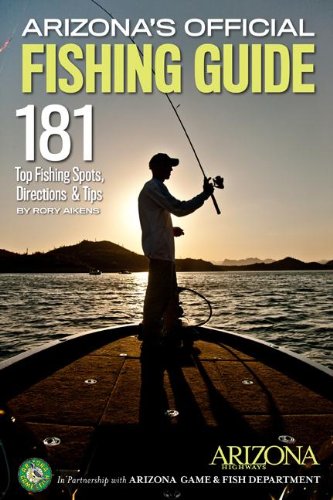
- 181 of Arizona's prime fishing spots
- Maps
- GPS Coordinates and Directions
- Insider Tips


Whether you live in
The 181
Each fishing spot comes with expert descriptions of the location, detailed directions to get you there, maps, amenities, GPS coordinates, fishing tips, historical notes and other insider information you’ll only be able to find in this book.
If you’re in one of the larger metropolitan areas, like Phoenix, the guide contains special sections on urban fishing.
This is definitely one of the fishing tools you should have on hand if you’re going to be spending any time enjoying all that
Top 7 Bass Fishing Locations In Arizona
1. Roosevelt Lake

The Salt River is one of the few major river systems in
The furthest upstream and by far the largest of the Salt River Lakes chain, Roosevelt Lake lies about a 2 hour drive northeast of Phoenix. This large desert reservoir remains a popular destination for bass anglers and is host to a variety of bass tournaments throughout the year. The forage base here is a healthy population of bluegill, sunfish, and shad; all of which help to grow larger bass quicker.
Like many of the desert reservoirs, a variety of habitat exists from the flooding repercussions of the dam. Rocky outcroppings, flooded trees, and sandy flats are some of the variety you will be able to find. Additionally, Roosevelt Lake has recently received hundreds of individual fish habitat structures in dozens of locations around the lake. This is in an effort to increase forage fish populations in areas of the lake which may lack cover. In turn, these structures should focus larger predatory fish, such as bass which will be targeting both the cover of structure and the forage base which is also attracted to them. Thankfully for anglers, the
Time of the year will help dictate tactics on this lake. During spring runoff, some suggest moving closer to the turbid waters flow in from both arms of the lake (Fed by Tonto Creek to the west and the Salt River to the east). The northern shores of these sides of the lake have an abundance of rocky outcroppings and abrupt dropoffs, perfect hiding locations for predatory bass.
When water temps pass 60 degrees and bass start thinking about spawning, the majority will likey head towards the southern shoreline of the lake, as there is a lot of shallow cove habitat broken up by brush on that side of the lake.
In addition to Largemouth Bass, you can also find Smallmouth Bass in this reservoir in lesser numbers. Overall, these fish are going to be found at deeper depths and different habitat sites that Largemouth.
2. Apache Lake

Below the dam of Roosevelt Lake, the Salt River meanders briefly through a narrow canyon constriction and quickly opens up to Apache Lake. A beautiful and secluded desert reservoir nestled securely between towering fortresses of rock on all sides. This is the hardest to access of the Salt River lakes chain and may offer you the most seclusion. Anglers have the option of taking the winding road designated the Apache Trail from Apache junction, complete with a harrowing descent down fish creek canyon. Or you can access it by driving down past the Roosevelt Lake dam and winding down several miles of dirt parrelling the river as it flows though a narrow canyon. Either way is sure to excite.
Apache Lake is host to a healthy population of Largemouth Bass thanks to abundant forage species. Bass tournaments are also often held at this lake due to this fact. Despite it being a quality Largemouth fishery, the traditional species of interest here has been the Smallmouth Bass.
While all the Salt River chain lakes have potential for smallmouth fishing, it is Apache Lake that boasts the most worthwhile potential. This lake is characterized by an abundance of rocky outcroppings, reefs, and dropoffs. The smallmouth will generally work up and down in these features in the water column. This can be a good place to start targeting them depending on water temps. Smallmouth start thinking about spawning in the spring a little sooner than Largemouth when water temps start approaching 60F.
Recently, Apache Lake has experienced several fish kills related to Golden Algae blooms.
3. Canyon Lake & Saguaro Lake

After Apache Lake, the Salt River forms the last two lakes in the Salt River Lakes chain: Canyon Lake and Saguaro Lake. Like the two reservoirs above them, these are reservoirs contained in deeply incised desert canyons with a variety of warm-water fishes throughout. Water recreation sports are even more common at these two particular lakes due to their closer proximity to the Phoenix metro area.
Bass numbers in these lakes may at times be slightly lower than at Apache and Roosevelt Lakes. However, the caliber of largemouth bass in Canyon and Saguaro Lakes is known to be of a higher scale overall. These are excellent lakes to target if you are chasing that bass over the 10 pound mark, they certainly exist here.
These lakes are best access with a boat, though still offer ample fishing opportunity from shore. Bass anglers at these lakes like to target the shallow reed filled coves during the warmer months. A variety of tactics work well on bass here. Large swimbaits are often utilized here as these lakes are also stocked with Rainbow Trout, an excellent snack for a 10 pound largemouth.
4. Phoenix Urban Ponds – Community Fishing Waters

Surprising enough to some, decent bass fishing can be found within the confines of the concrete jungle of Phoenix. Thanks to a joint effort between the
Across the Phoenix Metro area, dozens of these designated waters exist and can all be viewed on the AZ Game and Fish website. Generally, these waters are stocked with Bass, Catfish, and Bluegill in the warmer months; and Trout in the colder months. Bass thrive in many of these ponds throughout the year and offer city-constricted anglers year round opportunity.
While these ponds don’t grow the enormous bass that other
Bass in these ponds will fall susceptible to generally accepted tactics for bass fishing. Between crankbaits, spinners, jigs, and topwater fished around various portions of the lake; a savy angler will be able to key in on what the bass are looking to feed on.
5. Lower Colorado River

Near the end of its long adventurous course from it’s headwaters high in the Rocky Mountains, the Colorado river spends it’s remaining time as freshwater slowly working it’s way through the desert north of Yuma. In this stretch of the River, backwaters, sloughs, and irrigation ponds abound within the floodplain. These warm and slow moving bodies of water serve as ideal refugia for the bass that persist in the mainstem Colorado River. For adventurous and curious anglers, many of these side-waters hold trophy largemouth bass.
Many of these backwaters must be accessed with a boat via the Colorado River due to the fortress of growth on the banks of the waters. However, some are designated lakes and sites with fishing areas and boat launches.
Mittry Lake is one of the managed water bodies just north of Yuma. With a boat launch and nearly 10 different fishing jetties, opportunity for all is present. However, bass anglers report the largemouth in this lake to be finicky and difficult at times. Though for the dedicated angler, reports of 10 pounders coming out of this water are out there.
To name all the potential fishing spots along the Colorado River north of Yuma would be exhausting, I will leave this one up to you to explore with some maps and internet know-how. The Lower Colorado River is one of the sleeper bass fishing spots in
6. Lake Pleasant

Being one of the closer large water bodies to the Phoenix Metro area, Lake Pleasant is a popular recreational destination for people engaging in a wide variety of outdoor activities. Although water sports, camping, and other forms of recreation can be had at Lake Pleasant; the fishing is what it should be more known for.
The biggest draw to Lake Pleasant is the trophy flathead catfishing and abundant striped bass fishing. Largemouth bass also inhabit this lake and provide quite the draw to anglers. Largemouth Bass in this lake have all the potential to reach upwards of 10 pounds thanks to an abundance of forage fish including sunfish, bluegill, and gizzard shad.
Striped Bass are a large predatory schooling fish. These large schools of striped bass key in on schools of smaller baitfish in this lake. The best way to target stripers is to locate these schools of baitfish; whether they are deep or on the surface in obvious boils. Fishing lures or small baitfish to imitate the shad in these scenarios should yield good results.
7. Alamo Lake

Located on the western border of the state, Alamo Lake is a dammed reservoir along the Big Sandy River just east of Lake Havasu City. Featuring some of the warmest overall weather in the state, lakes in this area are well-known for their largemouth bass fishing potential. Alamo Lake is absolutely no exception to this rule and this particular water is traditionally known to stake claim to some of the best largemouth bass fishing in
Generally speaking, target bass in cooler months by fishing the deeper and slightly warmer waters. Access these deep hiding holes with crankbaits, swimbaits, and jigs; all using a slower retrieve than you would in the active months.
With the onset of spring and summer, bass will become more active to feed and eventually spawn. The shallower water becomes more attractive to bass during these times and anything from plastic worms to topwater buzzbaits can lure bass out of hiding. As always, try to target some sort of structure, as bass are going to gravitate towards cover.
In addition to being known as a great largemouth bass fishery, Alamo Lake also has a reputation as a great Black Crappie fishery that has potential to grow substantially sized specimens.
Finals Thoughts
Bass fishing in
If you’re interested in reading more about fishing in AArizona offers a fantastic trout fishery. Be sure to check it out!
And don’t forget to pick up a copy of Arizona’s Official Fishing Guide: 181 Top Fishing Spots, Directions & Tips.
- 181 of Arizona's prime fishing spots
- Maps
- GPS Coordinates and Directions
- Insider Tips
You Might Also Like…
1. 7 Summer Bass Fishing Tips (How To Catch Bass When It’s Hot!)
2. 3 Killer SENKO WORM Rigs And How To Fish Them
3. Frog Fishing For Bass! How To Fish Frog Lures (Plus 5 Tips!)
4. The Best Bass Rod For Frog Fishing
5. Bass Fishing For Beginners: It’s Easier Than You Think!